A First-Timer's Guide to Jungle Safaris in Chitwan
For many travellers, the words "jungle safari" bring to mind vast African plains but tucked into the lowlands of southern Nepal, Chitwan National Park offers a safari experience entirely its own. Dense sal forests, winding rivers, and open grasslands come together to create one of Asia's richest wildlife habitats, home to the elusive Bengal tiger, the endangered one-horned rhinoceros, and hundreds of species of birds. If you're heading out on your first Chitwan safari, here's what you should know before you go.
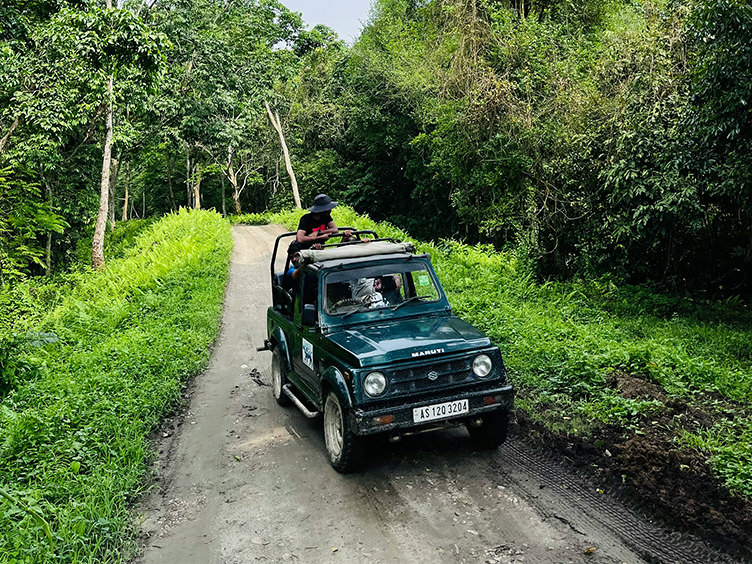
The most popular way to explore the park is by jeep safari, typically run in the early morning or late afternoon when animals are most active. A trained naturalist guide usually accompanies each vehicle, helping spot wildlife that might otherwise go unnoticed a camouflaged deer at the treeline, a rhino wallowing in a marsh, or birds calling from the canopy above. Jeep safaris generally last three to four hours and cover a good stretch of the park's core area, giving first-timers a strong overview of the landscape and its inhabitants.
For those who want a quieter, more immersive experience, a guided walking safari is worth considering. Moving through the forest on foot, with an experienced guide leading the way, offers a completely different perspective you notice smaller details, from animal tracks in the mud to the calls of unseen birds, and there's a heightened sense of being genuinely present in the wild. Walking safaris require a bit more caution and are best suited to guests comfortable with a slower, more attentive pace.
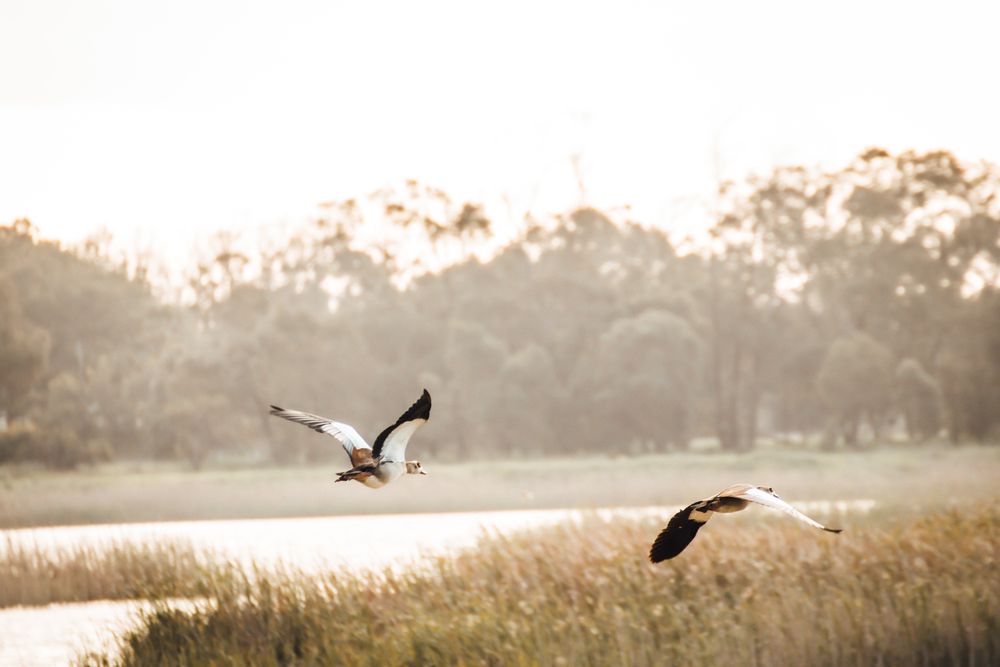
A canoe ride along the Rapti River is another highlight not to be missed. Gliding silently downstream in a traditional dugout canoe, you'll often spot marsh mugger crocodiles and gharials basking on the riverbanks, along with a variety of water birds. It's a peaceful complement to the more active jeep and walking safaris, and a favourite among photographers for its calm, reflective pace.
If you're hoping to see a tiger, it's worth setting expectations early Chitwan's tigers are elusive by nature, and sightings, while possible, are never guaranteed on any single outing. Rhinos, on the other hand, are seen far more reliably, along with spotted deer, wild boar, langurs, and if you're fortunate, a sloth bear or leopard. Patience and a willingness to enjoy the whole experience not just the "big" sightings will serve you well.
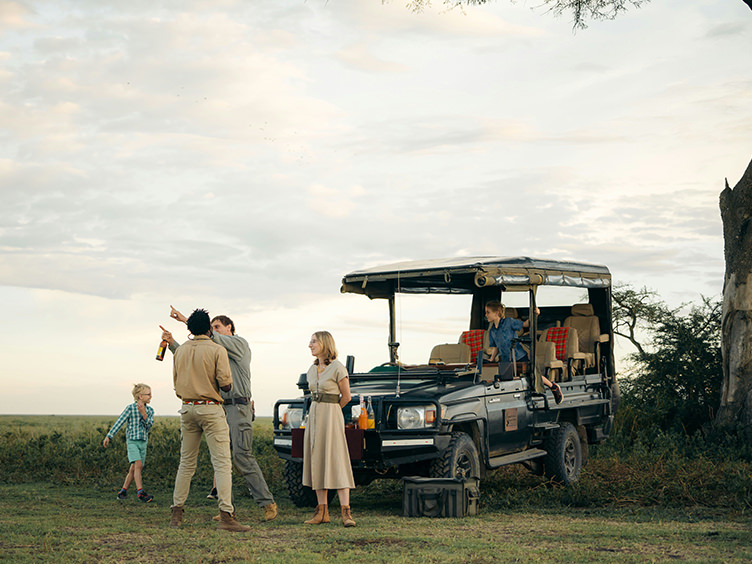
A few practical notes: dress in neutral, earth-toned clothing rather than bright colours, which can startle wildlife. Mornings and evenings can be cool, especially between November and February, so a light jacket is worth packing even in a generally warm climate. Comfortable, closed-toe shoes are essential for walking safaris, and don't forget sunscreen, a hat, and insect repellent.
Finally, always safari with a licensed guide and follow their instructions closely this isn't just a formality, it's essential for your safety and for the wellbeing of the park's wildlife. Our team at the front desk can help arrange any of these excursions and match them to your interests, fitness level, and the time you have available, so your first Chitwan safari is one you'll want to talk about for years to come.