Elephant Bathing at the Riverbank: What to Know Before You Go
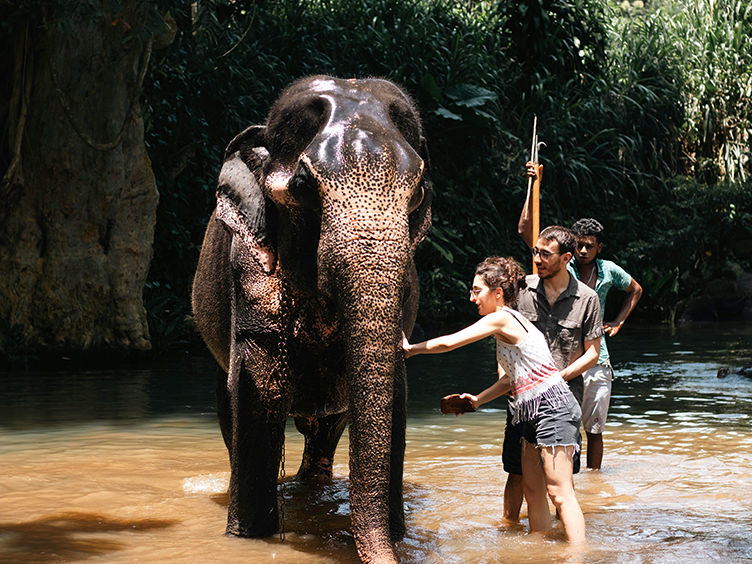
For decades, elephant bathing along the riverbanks of Sauraha was one of the most iconic images associated with a visit to Chitwan travellers wading into the shallows alongside gentle giants, scrubbing them down as they sprayed water joyfully into the air. It's an experience many visitors still ask about today, and one that's worth understanding fully before deciding whether it belongs in your itinerary.
Elephants have long played a central role in this region's history, originally used for patrolling the park, transporting rangers, and supporting anti-poaching efforts, as well as for tourism activities like safaris and bathing sessions. Their strength, intelligence, and gentle nature made them a natural draw for visitors eager to interact with such magnificent animals up close.
In recent years, however, understanding around elephant welfare in tourism has evolved considerably, both in Nepal and globally. Conservation organisations and animal welfare experts have raised valid concerns about the training methods historically used to make captive elephants safe for close human interaction, as well as the physical and psychological toll that repeated bathing sessions, riding, and performances can take over an elephant's long lifetime. As a result, many responsible travellers, tour operators, and even some elephant camps themselves have begun shifting away from direct-contact activities like bathing and riding, in favour of more observation-based experiences.
If you're considering an elephant-related activity during your stay, we'd encourage you to ask a few thoughtful questions first: How are the elephants cared for when they're not with tourists? Are visits limited in frequency and duration to reduce stress on the animals? Is there a veterinary team involved in their ongoing care? Reputable, ethically-run establishments should be able to answer these questions openly, and a growing number in the Chitwan area have adapted their offerings accordingly, focusing on rescue, rehabilitation, and observation rather than close physical interaction.
For travellers who want to experience elephants without direct contact, the Elephant Breeding Centre near Sauraha offers a way to see these animals, including calves, in a more observational setting. Similarly, some sanctuaries now offer "feeding and walking alongside" experiences, where visitors can spend time near elephants without bathing or riding them, striking a different balance between connection and welfare.
Ultimately, this is a personal decision, and there's no single right answer for every traveller. What matters most is going in informed understanding the history, the evolving standards, and asking the right questions of whichever operator or camp you consider engaging with, rather than assuming that a bathing session is automatically a harmless or purely joyful experience for the elephant involved.
If you'd like guidance on the options currently available in the Sauraha area, our front desk team is happy to talk through what's on offer, including welfare-conscious alternatives, so you can make a choice that feels right for you during your stay.